- This topic is empty.
-
AuthorPosts
-
2026-06-29 at 1:47 pm #83719
In recent years, the global construction industry has been rapidly shifting toward sustainable, energy-efficient, and low-carbon building technologies. Among these innovations, Building-Integrated Photovoltaic (BIPV) facade systems have emerged as a powerful solution that combines architectural design with renewable energy generation.
As demand grows worldwide, China BIPV facade system factories have become key players in the global supply chain. They are widely recognized for their ability to deliver high-quality, customizable, and cost-effective solutions for both commercial and residential projects.
Companies like FGNEX SOLAR, a Chinese manufacturer specializing in BIPV solar panels for buildings, represent this new generation of integrated solar solution providers. With extensive experience in designing and manufacturing BIPV modules, FGNEX SOLAR and similar manufacturers are helping architects, developers, and contractors reduce costs while improving energy performance and design flexibility.
This article explores how China BIPV facade system factories achieve cost efficiency while maintaining performance, customization, and global competitiveness.
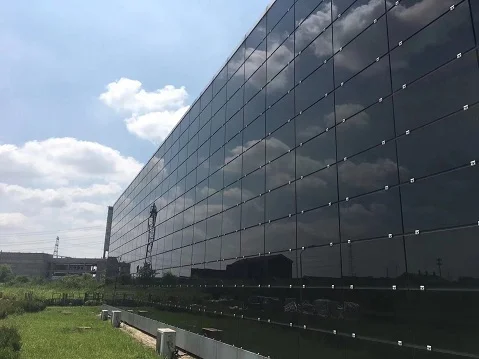
1. The Rising Demand for BIPV Facade Systems Worldwide
The global construction industry is facing increasing pressure to reduce carbon emissions and improve energy efficiency. Governments are implementing stricter building codes, while investors and developers are prioritizing sustainable building certifications such as LEED and BREEAM.
In this context, BIPV facade systems offer a unique advantage:
-
They generate electricity directly from building surfaces
-
They replace traditional facade materials like glass or aluminum panels
-
They reduce long-term energy consumption costs
-
They improve architectural aesthetics and building value
However, despite these benefits, cost has always been a key concern. This is where China-based factories have reshaped the market.
2. Why China Became a Global Leader in BIPV Facade Manufacturing
China’s dominance in the BIPV industry is not accidental. It is the result of decades of development in solar energy, manufacturing infrastructure, and export-oriented industrial strategy.
2.1 Mature Solar Manufacturing Ecosystem
China has built one of the world’s most complete photovoltaic supply chains, including:
-
Silicon material production
-
Solar cell manufacturing
-
Glass and encapsulation materials
-
Aluminum and structural components
This vertical integration significantly reduces production costs.
2.2 Large-Scale Production Capacity
Chinese factories operate on a scale that allows:
-
High-volume manufacturing
-
Automated production lines
-
Lower per-unit cost
-
Faster delivery timelines
Economies of scale are a major reason why BIPV systems from China are more cost-effective.
2.3 Strong Export Experience
Most leading Chinese manufacturers are experienced in global trade, meaning they understand:
-
International certifications
-
Logistics optimization
-
Custom clearance procedures
-
Project-based engineering requirements
This reduces hidden costs and delays for overseas clients.
3. Role of China BIPV Facade System Factories in Cost Efficiency
China BIPV factories achieve cost-effective solutions through multiple interconnected strategies.
3.1 Integrated Manufacturing Reduces Supply Chain Costs
One of the biggest advantages is vertical integration. Instead of sourcing components from multiple countries or suppliers, Chinese factories often produce:
-
PV glass modules
-
Aluminum framing systems
-
Electrical components
-
Encapsulation materials
This reduces:
-
Transportation costs
-
Procurement complexity
-
Supplier margins
-
Production delays
As a result, overall project costs are significantly lower.
3.2 Customization at Scale
A key feature of modern BIPV projects is customization. Every building has different:
-
Facade dimensions
-
Solar exposure conditions
-
Architectural design requirements
Manufacturers like FGNEX SOLAR, a Chinese BIPV provider specializing in building-integrated photovoltaic solar panels for commercial and residential applications, emphasize this flexibility.
Their long experience in designing and manufacturing modules allows them to offer:
-
Unlimited panel customization options
-
Flexible size and shape configurations
-
Tailored transparency levels
-
Aesthetic design integration
Despite this high level of customization, Chinese factories maintain cost efficiency by using modular production systems that standardize internal processes while allowing external flexibility.
3.3 Automation and Advanced Production Technology
Modern Chinese BIPV factories invest heavily in automation:
-
Automated lamination lines
-
Precision glass cutting systems
-
Intelligent quality control inspection
-
Robotic assembly processes
Automation reduces:
-
Labor costs
-
Human error
-
Material waste
This directly translates into lower production costs without sacrificing quality.
3.4 Optimized Design and Engineering Support
Factories like FGNEX SOLAR are not just manufacturers—they are engineering solution providers.
Their extensive experience in BIPV design and manufacturing allows them to support:
-
Structural integration with curtain wall systems
-
Energy performance simulation
-
Architectural coordination with design teams
-
Custom project-based engineering solutions
By involving engineering teams early in the project, costly design errors and rework are avoided, which significantly reduces total project expenditure.
3.5 Efficient Raw Material Procurement
China’s strong domestic supply chain allows factories to source materials at competitive prices:
-
Solar glass
-
EVA/POE encapsulation materials
-
Aluminum profiles
-
Electrical components
Bulk purchasing and long-term supplier relationships reduce input costs, which are passed down to global clients.
4. FGNEX SOLAR as an Example of Cost-Effective BIPV Manufacturing
FGNEX SOLAR is a Chinese manufacturer specializing in Building Integrated Photovoltaic (BIPV) solar panels for both commercial and residential buildings.
The company demonstrates how modern Chinese factories combine cost efficiency with technical capability.
4.1 Expertise in BIPV System Design
With extensive experience in designing and manufacturing BIPV modules, FGNEX SOLAR provides solutions that integrate seamlessly into:
-
Curtain wall systems
-
Roof facades
-
Architectural glass structures
This expertise reduces engineering risk and improves project efficiency.
4.2 Custom Solar Solutions for Complex Projects
FGNEX SOLAR’s long-term involvement in BIPV projects enables them to deliver highly customized solutions.
Their capabilities include:
-
Non-standard module sizing
-
Aesthetic customization for building facades
-
Project-specific photovoltaic performance optimization
-
Integration with architectural design requirements
This level of customization is typically expensive in other markets but remains cost-efficient due to their manufacturing scale and experience.
4.3 Unlimited Panel Customization Options
One of FGNEX SOLAR’s key strengths is offering unlimited panel customization options.
This is particularly valuable for:
-
Landmark buildings
-
High-rise commercial projects
-
Architectural design-focused developments
-
Smart city infrastructure
By combining customization with standardized production processes, they achieve both flexibility and affordability.
5. Cost Advantages Compared to Traditional Markets
China BIPV facade system factories offer several cost advantages compared to manufacturers in Europe or North America.
5.1 Lower Labor Costs
Manufacturing costs are reduced due to efficient labor structures and automation.
5.2 Scale Economies
Large production volumes reduce per-unit costs significantly.
5.3 Integrated Supply Chain
Fewer intermediaries result in lower markup costs.
5.4 Faster Delivery Cycles
Shorter production cycles reduce project delays and associated financial risks.
6. Balancing Cost with Performance and Quality
A common misconception is that lower cost means lower quality. In reality, leading Chinese BIPV factories maintain international standards through:
-
IEC-certified production processes
-
Strict quality inspection systems
-
Long-term performance testing
-
Engineering validation before shipment
Factories like FGNEX SOLAR ensure that cost savings do not compromise:
-
Energy efficiency
-
Structural safety
-
Long-term durability
7. Applications of Cost-Effective BIPV Solutions
Thanks to cost reduction, BIPV facade systems are now used in a wider range of projects:
Commercial Buildings
Office towers and business centers use BIPV facades to reduce operational energy costs.
Residential Complexes
Developers integrate solar facades to increase property value and sustainability ratings.
Public Infrastructure
Airports, train stations, and government buildings adopt BIPV systems for long-term energy savings.
Smart Cities
Urban planners incorporate BIPV facades into sustainable city development strategies.
8. Future Outlook: China’s Role in Global BIPV Expansion
As global demand for net-zero buildings increases, China BIPV facade system factories will continue to play a central role in:
-
Technology innovation
-
Cost reduction
-
Large-scale deployment
-
Custom architectural integration
Companies like FGNEX SOLAR represent the direction of the industry: combining engineering expertise, manufacturing scale, and design flexibility to deliver globally competitive solutions.
In the future, BIPV facades will no longer be niche architectural features—they will become standard building components.
Conclusion
China BIPV facade system factories deliver cost-effective building solutions through a combination of:
-
Integrated supply chains
-
Large-scale manufacturing
-
Advanced automation
-
Engineering expertise
-
High customization capability
With companies like FGNEX SOLAR, the industry demonstrates that high-performance BIPV systems can be both affordable and highly customizable.
As the world transitions toward sustainable architecture and net-zero buildings, China’s BIPV manufacturers will remain at the forefront of delivering efficient, scalable, and cost-effective facade energy solutions for global projects.
http://www.fgnexsolar.com
fgnexsolar -
-
AuthorPosts

- You must be logged in to reply to this topic.