- This topic is empty.
-
AuthorPosts
-
2025-12-05 at 8:00 pm #82486
Selecting the right rotary kiln is a critical decision that directly affects efficiency, output quality, energy consumption, and long-term operational stability. Whether you are processing minerals, treating hazardous waste, or conducting high-temperature thermal reactions, the design and configuration of the rotary kiln must match your production needs.
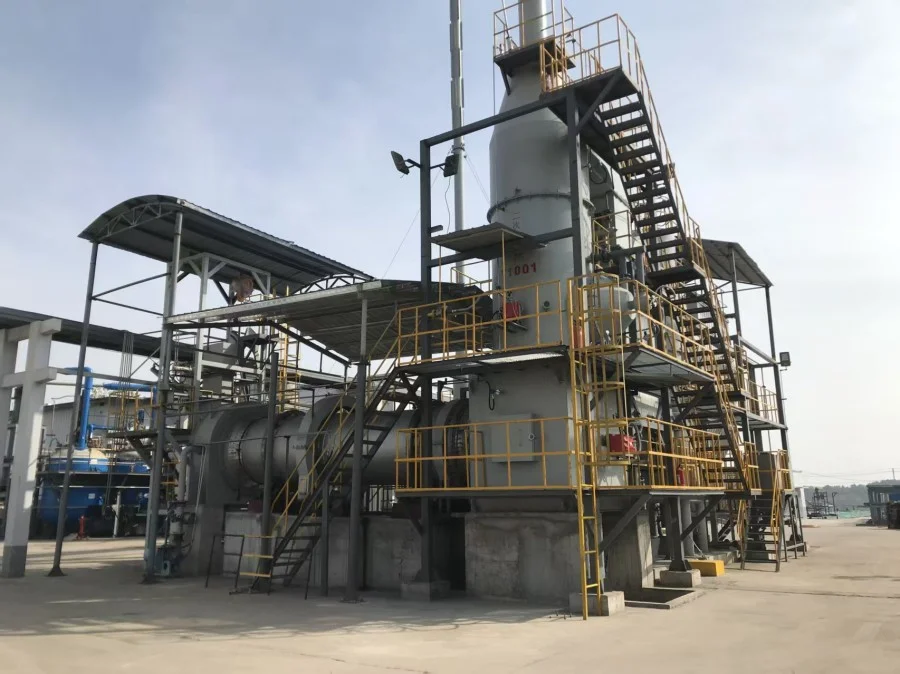
For industries dealing with organic waste, chemical residues, industrial sludge, and medical waste, choosing a hazardous waste rotary kiln becomes even more essential. As a professional manufacturer of incineration equipment, Aoli Environmental Protection Technology Co., Ltd. specializes in engineered solutions for waste gas, waste liquid, hazardous waste, and medical waste treatment. Their product line includes medical waste pyrolysis furnaces, process waste incinerators, waste liquid and waste gas incinerators, regenerative thermal oxidizers (RTO), hazardous waste rotary kiln incinerators, and heat recovery systems.
This article explores the key factors you should consider when selecting a rotary kiln to ensure safe, efficient, and stable operation for your production line.
1. Understand Your Material Characteristics
Before choosing a rotary kiln, it is crucial to analyze the properties of the materials you plan to process.
Key material factors include:
-
Moisture content
-
Particle size and density
-
Heat sensitivity
-
Chemical composition
-
Calorific value
-
Potential for hazardous emissions
For industries handling hazardous or medical waste, Aoli Environmental Protection Technology Co., Ltd. provides rotary kiln incinerators that can safely process solids, liquids, sludges, and mixed waste streams with complex chemical profiles.
2. Temperature Requirements and Thermal Capacity
Different processes require different temperature ranges:
-
Hazardous waste incineration: 850–1200°C
-
Pyrolysis: 500–900°C
-
Calcination: 900–1400°C
Choose a rotary kiln designed to meet your peak temperature and maintain stable combustion.
Aoli’s rotary kiln systems are engineered for:
-
High-temperature endurance
-
Efficient heat distribution
-
Stable thermal profiles for complete waste destruction
3. Kiln Size and Capacity
The diameter and length of the kiln determine:
-
Material residence time
-
Throughput capacity
-
Heat transfer efficiency
Consider the scale of your production line:
-
Small and medium facilities may need compact kilns
-
Large waste treatment plants require high-capacity rotary kiln systems
-
Kiln size must match your expected daily or hourly processing volume
Aoli offers customizable rotary kiln configurations tailored to industrial capacity requirements.
4. Type of Waste or Material Feed
Your input material determines the kiln’s internal design, feeding system, and sealing structure.
Examples:
-
Hazardous waste: requires secure, leak-proof feeding and gas-tight seals
-
Medical waste: may require shredding or feeding preparation steps
-
Organic waste liquids: need specialized injection systems
-
Sludge: requires controlled feed mechanisms to prevent blockages
Aoli Environmental Protection Technology Co., Ltd. integrates customized feeding systems suitable for diverse waste compositions.
5. Rotation Speed and Residence Time Control
The kiln’s rotational speed affects:
-
Mixing efficiency
-
Heat penetration
-
Complete waste decomposition
Variable-speed drives allow production lines to adjust residence time based on material behavior. This flexibility is especially important when treating hazardous waste with inconsistent composition.
6. Burner and Fuel Selection
Burners determine energy efficiency and temperature stability. Rotary kilns may use:
-
Natural gas
-
Diesel
-
Heavy oil
-
Coal gas
-
Alternative fuels
Aoli equips its rotary kilns with high-efficiency burners to ensure:
-
Stable flame control
-
Complete combustion
-
Reduced fuel consumption
7. Secondary Combustion Chamber Requirements
For hazardous and medical waste, a secondary combustion chamber (afterburner) is essential to:
-
Destroy remaining volatile gases
-
Ensure emissions meet environmental standards
-
Increase destruction efficiency (DRE)
Aoli’s rotary kiln incineration systems include robust secondary combustion and flue gas treatment technologies.
8. Environmental Protection and Emission Control
Environmental regulations are crucial when selecting a rotary kiln, especially for waste treatment.
Important emission controls may include:
-
RTO (Regenerative Thermal Oxidizer)
-
Heat recovery systems
-
Acid gas scrubbers
-
Baghouse filters
-
Activated carbon injection
-
Quenching systems
Aoli Environmental Protection Technology Co., Ltd. integrates complete flue gas purification solutions to help customers meet strict environmental standards.
9. Refractory Lining and Durability
The refractory lining protects the kiln shell from high temperatures and abrasion. When choosing a kiln, consider:
-
Refractory material type
-
Thickness
-
Thermal insulation capacity
-
Resistance to chemical corrosion
A durable refractory lining ensures long service life and consistent performance.
10. Operational Automation and Safety Features
Modern rotary kiln systems should include:
-
Automated temperature control
-
Real-time monitoring
-
Emergency shutdown systems
-
Stable feeding and discharging mechanisms
Aoli provides fully automated control systems designed for safe operation, especially in hazardous waste incineration environments.
Conclusion
Choosing the right rotary kiln involves evaluating many factors—from material characteristics and temperature requirements to environmental compliance and operational efficiency. A well-designed kiln ensures stable processing, high throughput, and reduced environmental impact.
As a specialist in industrial incineration systems, Aoli Environmental Protection Technology Co., Ltd. offers customized rotary kiln solutions for hazardous waste, medical waste, waste liquids, and organic waste treatment. With advanced engineering, environmental protection technologies, and complete thermal treatment systems, Aoli helps industries build reliable, efficient, and sustainable production lines.
http://www.jsalfsl.com
Aoli Environmental Protection Technology -
-
AuthorPosts

- You must be logged in to reply to this topic.